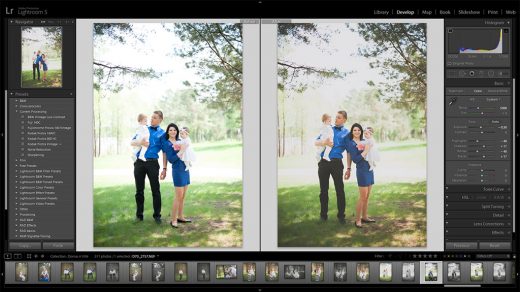
Many individuals find photography to be an enjoyable and fulfilling hobby, yet beginner photographers often feel overwhelmed by technical jargon and complex techniques. The easiest photography techniques for beginners provide a solid foundation, enabling them to capture stunning images without unnecessary complications. Simplifying the basics can help anyone unlock their creative potential and start enjoying their photography journey.
Understanding fundamental photography tips is essential for beginners looking to improve their skills. Learning about composition, lighting, and camera settings can significantly enhance the quality of photos. By focusing on these basic photography principles, new photographers can quickly gain confidence in their abilities and produce impressive results.
With a few straightforward techniques, anyone can elevate their photography. Embracing these simple yet effective strategies will not only lead to better pictures but also foster a deeper appreciation for this art form. Getting started has never been easier for those eager to explore the world through a lens.
Understanding Your Camera
A solid grasp of camera functionality is essential for beginners. Learning about different camera types, settings, and focusing techniques can significantly enhance photography skills.
Getting to Know DSLR and Mirrorless Cameras
DSLR and mirrorless cameras are popular choices among photographers.
- DSLR: Digital Single-Lens Reflex cameras use a mirror system for capturing images. They typically offer a robust build, optical viewfinder, and extensive lens options.
- Mirrorless: These cameras do not have a mirror, which allows for a lighter and more compact design. They rely on electronic viewfinders or LCD screens.
Both types have interchangeable lenses, making them versatile. Each has unique advantages; for example, mirrorless cameras excel in silent shooting, while DSLRs are known for longer battery life.
Exploring Camera Settings and Modes
Understanding camera settings is crucial for achieving desired effects.
- Automatic Mode: The camera decides all settings, allowing users to focus on composition.
- Program Mode: Offers some control over settings while maintaining an automatic exposure.
- Manual Mode: Provides full control over aperture, shutter speed, and ISO, enabling personalized adjustments.
Familiarizing oneself with these modes helps a photographer adapt to various lighting situations and subjects. Reviewing the camera manual is beneficial for navigating specific functions.
Mastering Focus: Autofocus and Manual Mode
Achieving sharp focus is pivotal in photography.
- Autofocus Modes: Most cameras offer various autofocus options. Common modes include:
- Single-Point AF: Focuses on a specific point. Useful for stationary subjects.
- Continuous AF: Constantly adjusts focus for moving subjects.
- Manual Mode: Allows complete control over focusing. This method is particularly useful in tricky lighting or when focusing on specific areas.
Practicing with both autofocus and manual settings will help improve their skills and adaptability. Each technique plays a role in crafting clear and engaging photographs.
The Foundations of Photography
Understanding essential photography concepts can significantly enhance a beginner’s skills. The exposure triangle, composition techniques, and lighting strategies form the core principles that help photographers capture stunning images.
Comprehending the Exposure Triangle
The exposure triangle consists of three critical elements: aperture, shutter speed, and ISO.
- Aperture controls the amount of light entering the lens and affects depth of field. A wider aperture (smaller f-number) blurs the background, while a narrower aperture (larger f-number) brings more of the scene into focus.
- Shutter Speed determines how long the camera’s sensor is exposed to light. Faster speeds freeze motion, while slower speeds can create a motion blur effect.
- ISO measures the sensor’s sensitivity to light. Higher ISO settings are useful in low-light conditions but can introduce noise.
Balancing these three components allows photographers to achieve the desired exposure and artistic effect.
The Role of Composition in Photography
Composition is vital for creating visually appealing images. It involves arranging elements within the frame to guide the viewer’s eye.
Several composition rules can enhance image effectiveness:
- Rule of Thirds: Divides the frame into a 3×3 grid, placing key subjects at the intersections to create balance.
- Leading Lines: Uses natural lines to draw attention to the main subject.
- Framing: Employs elements in the scene to frame the subject, adding depth and context.
Careful composition helps photographers tell a story or convey emotions through their images.
Utilizing Natural Light and Lighting Techniques
Natural light significantly impacts photography, influencing mood and tone. Photographers should be attentive to different lighting conditions.
- Golden Hour: The soft light during sunrise or sunset provides flattering illumination and enhances colors.
- Studio Lighting: For those using artificial lights, mastering techniques like three-point lighting can elevate portraits and product photos.
Experimenting with light sources and shadows aids in creating depth, contrast, and visual interest in photographs. Understanding when and how to use light is crucial for excellent photography.
Creative Techniques and Practical Tips
Exploring creativity and photography styles enhances a beginner’s skill set. Techniques like composition rules and variations in photographic styles can lead to remarkable images.
Learning Creative Composition Techniques
Understanding composition is essential for impactful photography. Beginners should consider the Rule of Thirds, which involves dividing the frame into a grid of nine equal sections. Placing key subjects along these lines or their intersections creates balance.
Leading lines draw the viewer’s eye toward the main subject, guiding attention throughout the photograph. For example, roads, fences, or rivers can serve this purpose effectively.
Depth of field plays a significant role, too. A shallow depth can isolate subjects by blurring backgrounds, while a deep depth captures detailed scenes, adding context. Additionally, employing negative space emphasizes the subject, creating simplicity in the composition.
Discovering Different Photography Styles
Trying different photographic styles can broaden a beginner’s perspective. Landscape photography focuses on capturing natural scenes, often utilizing techniques like the Golden Ratio to create harmonious compositions.
Portrait photography revolves around framing subjects effectively, emphasizing expressions and emotions through intentional backgrounds. In contrast, black and white photography enhances textures and contrasts, focusing on shapes rather than colors.
For those interested in wildlife photography, patience and understanding animal behavior can lead to stunning captures. Alternatively, street photography captures candid moments in urban settings, emphasizing storytelling through imagery. Each style offers distinct opportunities for creative expression, encouraging exploration and experimentation.
Post-Processing and Sharing Your Work
Post-processing is essential for enhancing images taken with digital cameras. Beginners can significantly elevate their photographs by learning editing techniques and effectively sharing their work within communities.
Editing Images: From RAW to Polished
Shooting in RAW format captures more detail and dynamic range than JPEG. This gives greater flexibility during editing. Beginners should consider software like Adobe Lightroom or Photoshop for image adjustments.
Key elements to focus on include:
- Exposure Compensation: Adjusting brightness to achieve a well-lit image without losing details.
- Contrast: Enhancing the difference between light and dark areas can add depth.
- Background Management: Blurring or changing backgrounds can focus attention on the subject.
Utilizing these features helps transform an image from a basic shot to a polished piece. Regular practice in editing will lead to improved skills and a better understanding of photography.
Engaging with Social Media and Photography Communities
Sharing work on social media platforms like Instagram and Flickr offers valuable exposure. These platforms provide opportunities to connect with other photographers and receive feedback.
Utilizing relevant hashtags can increase visibility. Consider the following tips:
- Join Photography Groups: These communities offer support, tips, and constructive criticism.
- Participate in Challenges: Engaging in themed photography challenges fosters creativity and enhances skills.
Regular interaction with fellow enthusiasts can stimulate growth and inspire new techniques. Establishing a personal brand on these platforms can open doors to potential collaborations and opportunities in photography.