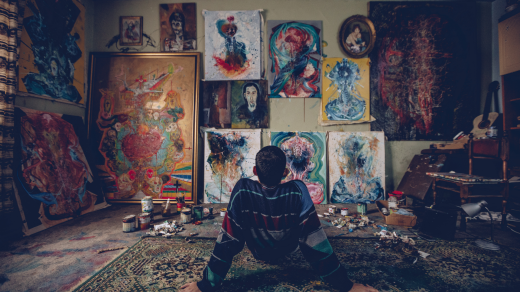
Starting a career as a freelance artist can be both exciting and challenging. Many aspiring artists wonder how to navigate the complexities of building their own brand while honing their craft. To begin, defining a unique style and creating a strong portfolio is crucial for attracting clients and showcasing talent.
Networking plays an essential role in establishing oneself in the freelance world. Engaging with other artists and potential clients can lead to opportunities that might not be available through traditional job searches. Building connections on social media platforms or attending local art events can greatly enhance visibility.
Understanding the business side of freelancing is equally important. Artists should familiarize themselves with pricing their work, managing contracts, and marketing their services. By adopting a strategic approach to these aspects, they greatly increase their chances of success in a competitive field.
Laying the Foundation
Establishing a solid base is crucial for any freelance artist. Key areas include pinpointing a niche, creating a strong portfolio, and developing necessary skills.
Identifying Your Niche
Finding a specific niche allows a freelance artist to stand out. This could involve focusing on a particular style, medium, or type of artwork, such as illustration or digital art.
To identify a niche, artists should assess their interests and strengths. They can analyze market demand to see where their skills fit best. Consider exploring different styles, like watercolor, acrylic, or vector art, while evaluating where their passion lies.
Researching competitors in desired areas can also provide insight into trends and opportunities. Identifying a niche helps in targeting clients more effectively, leading to a more sustainable career.
Building Your Portfolio
A strong portfolio showcases an artist’s best work and their versatility. This collection is essential for attracting clients and making professional introductions.
Artists should include a variety of pieces, demonstrating different skills and styles. Quality trumps quantity—focusing on finished, high-quality work enhances credibility.
Using platforms like Behance or personal websites allows for wider exposure. Including detailed descriptions of each work helps clients understand the artist’s process and thought. Updating the portfolio regularly keeps it fresh and relevant.
Enhancing Your Skill Set
To thrive as a freelancer, continuous skill development is vital. Artists can take advantage of online courses, workshops, and art schools to refine their techniques.
Learning digital tools like Adobe Creative Suite can expand their capabilities significantly. Additionally, mastering traditional skills such as drawing or painting enhances overall artistry.
Regular practice and seeking feedback from peers can foster growth. Engaging in critique groups or local art communities provides valuable insights and supports professional development. Investing time in skill enhancement builds confidence and broadens market appeal.
Establishing Your Presence
Building a strong presence in the art world is essential for freelance artists. This involves creating a professional website, utilizing social media platforms, and networking effectively with industry professionals.
Creating a Professional Website
A well-designed website serves as an artist’s portfolio and business card. It should showcase a range of work, from completed projects to sketches, helping potential clients understand their style.
Include a clear, intuitive navigation system. Essential sections like an About page, Portfolio, Services, and Contact information increase user engagement.
Professional photography of the artwork enhances its appeal. Consider integrating a blog to share insights and updates, which helps with search engine optimization (SEO). Keeping the website updated with new content can attract and retain visitors.
Leveraging Social Media
Social media is a powerful tool for freelancers. Platforms like Instagram allow artists to share their work visually, engaging a broad audience.
To maximize reach, maintain an active presence. Regularly post high-quality images of artwork and behind-the-scenes processes. Utilizing appropriate hashtags can increase discoverability and connect with industry professionals.
Engaging with followers through comments and direct messages fosters a community. Sharing other artists’ work can also build relationships, enhancing visibility within the art community.
Networking with Industry Professionals
Networking is crucial for freelance artists. Connecting with art directors, other artists, and potential clients opens up collaboration and job opportunities.
Attend industry events, exhibitions, and workshops. Making personal connections in these settings can lead to valuable referrals.
Using platforms like LinkedIn can help establish professional relationships. Participating in online forums or artist groups enhances visibility and provides additional support. It is essential to nurture these relationships through regular communication and collaboration.
Managing Freelance Business
A successful freelance career requires more than artistic talent. Developing business skills, effective communication, and a robust client acquisition strategy is essential for growth and sustainability.
Understanding Business Skills
Freelancers must acquire fundamental business skills to manage their operations effectively. This includes budgeting, pricing, and invoicing.
Key skills to focus on:
- Budgeting: Tracking income and expenses helps maintain financial health.
- Pricing: Setting competitive rates requires market research and self-assessment of skill levels.
- Invoicing: Using professional invoicing tools ensures timely payments.
Freelancers should also familiarize themselves with tax obligations. Understanding the local laws regarding self-employment can prevent legal issues.
Effective Communication and Negotiation
Communication is critical in a freelance career. Freelancers must convey ideas clearly to clients while being open to feedback.
Tips for effective communication:
- Initial Meetings: Set clear goals for discussions and document requirements.
- Regular Updates: Keep clients informed of progress to build trust.
- Feedback Sessions: Actively seek and incorporate client feedback to improve the final product.
Negotiation is vital to ensure fair compensation and clear project scopes. Freelancers should be prepared to discuss terms confidently, balancing assertiveness with flexibility.
Finding Clients and Projects
Identifying clients and securing projects is essential for a thriving freelance practice. Freelancers should explore multiple avenues to build a diverse client base.
Effective strategies include:
- Networking: Attend industry events, join online forums, or connect on social media.
- Portfolio Development: A strong portfolio showcasing a variety of work attracts potential clients.
Freelancers may also consider working with art directors. Establishing relationships with professionals in the industry can lead to consistent project referrals and collaborative opportunities.
Growing Your Career
Building a sustainable freelance artist career involves continuous learning, networking, and seeking constructive feedback. These actions can significantly enhance artistic skills and increase visibility within the art community.
Continuing Education and Professional Development
Freelance artists should prioritize ongoing education to sharpen their skills and stay competitive. Online platforms like Skillshare and Coursera offer courses in various art techniques and digital tools.
Workshops led by experienced art teachers can provide hands-on practice and focused guidance. Artists should also consider pursuing formal degrees or certifications in their specialty areas.
Participating in mentorship programs can connect artists with established professionals. These relationships foster growth through shared experiences and guidance, helping to refine an artist’s unique style.
Participating in Art Conventions and Events
Art conventions and events are valuable for networking and exposure. These gatherings allow artists to meet potential clients, gallery owners, and other creatives.
Attending conventions like Comic-Con or local art fairs can spark inspiration and lead to collaborative opportunities. Artists can showcase their work and gain firsthand knowledge about market trends.
Booths at these events provide platforms to sell art, garner interest, and build a personal brand. Engaging with the audience and conducting live demonstrations can make projects more memorable and appealing.
Seeking Portfolio Reviews and Feedback
Regular feedback is crucial for artistic growth. Artists should actively seek portfolio reviews from professionals like curators and established artists. These critiques can highlight strengths and areas that need improvement.
In-person reviews at conventions can be particularly effective. Artists can obtain immediate insights and suggestions, allowing for real-time improvements.
Online platforms and social media can also facilitate feedback. Sharing work in artist communities and requesting critiques creates opportunities for valuable engagement. Constructive feedback plays a significant role in evolving an artist’s style and enhancing their portfolio.